
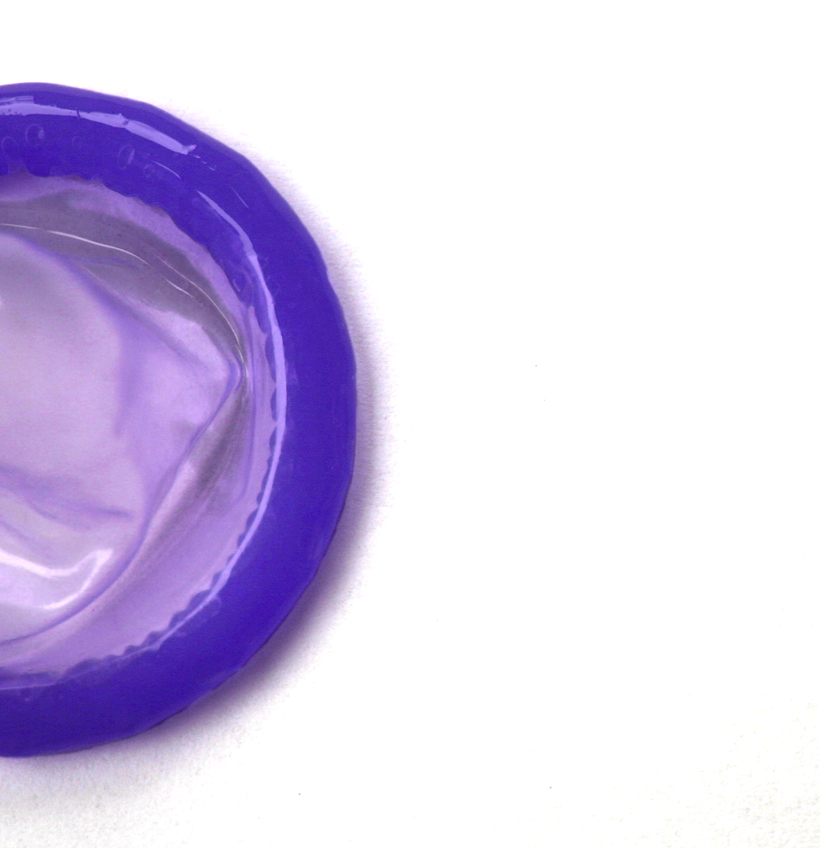
Want to know the size and variety of non-latex condoms available on the market? Do a comparative search at our Condom Calculator or visit our Non-Latex Condom and Dams Size Chart.
What are the benefits of lambskin condoms?
- Lambskin condoms are suitable for people with latex allergies and sensitivities.
- They are thin and have a high reputation of providing the best pleasure of all condom types.
- They transmit body heat better than latex.
- They are biodegradable
- They can be used with oil, silicon and water-based lubricants
- They protect against unwanted pregnancy.
- They are typically available in most drugstores and can be easily bought online.
What are the disadvantages of lambskin condoms?
- They do not protect against sexually transmitted infections and diseases.
- They do not protect against the risks of oral sex.
- They are expensive; approximately $3.00 each compared to the average Trojan latex condom cost of 0.50 each.
- Trojan is the only manufacturer of lambskin condoms in North America.
- They are not vegan
The first FDA approved polyurethane condom was Durex Avanti in the 1990s. Compared to latex, polyurethane condoms are thinner and do not have a scent. While very durable, polyurethane is less elastic and snug fitting than latex, making the risk of slippage or breakage higher. Thus lubrication (oil, silicone, or water-base) is highly recommended for penetrative sex. In 2009, Durex started manufacturing polyisoprene condoms instead of polyurethane, now called Avanti Bare Real Feel. Today, Trojan SUPRA is the most popular polyurethane condom on the North American market.
Benefits of Polyurethane
- Thinner and less odor than latex
- Transmits body heat very well
- Can be used with oil, silicon and water-based lubricants
- Available for female condoms and dental dams
- They cost more than latex condoms, but are cheaper than lambskin
- Ideal for those who prefer less tight, less body forming fit.
Disadvantages of Polyurethane
- They are less elastic and are loose fitting compared to latex, thus increasing the risk of malfunction if no lubricant is used.
- They are not biodegradable
- Not easily accessible in all drugstores or supermarkets
Polyisoprene came on the market in 2008 by LifeStyles SKYN product line, and soon after Durex re-manufactured Avanti Bare Real Feel with the new material. It is a natural rubber that is chemically similar to latex, but without the latex allergens. In comparison to polyurethane condoms, polyisoprene is softer, more supple and form fitting, and slightly thicker (similar thickness to standard latex). To date, polyisoprene condoms are sold in North America by LifeStyles and Durex.
Advantages of Polyisoprene
- Softer, more elastic and form-fitting than both latex and polyurethane.
- They transmit heat better than latex
- They are cheaper than polyurethane condoms, but not as cheap as latex.
Disadvantages of Polyiosprene
- Not biodegradable
- Cannot be used with oil-based lubricants
- Not made in both male and female form.
- Not as readily available in stores; easier to find and buy online.
Nitrile Rubber: FC2 is the most common female condom globally and the only female condom available in North America. In 2009, FC2 began manufacturing with nitrile rubber, which offers the same benefits and protection as polyurethane, but is less expensive to produce. It is also softer and more supple than polyurethane.
Benefits of Nitrile Rubber
- Hypo-allergenic
- Protects against STIs and pregnancy
- Significantly less expensive than other female condoms
- Less likely to make the infamous crinkling noises as polyurethane femidoms.
- Softer, more form-fitting, and supple than polyurethane.
- Can use oil, silicon and oil-base lubricants
Disadvantages of Nitrile Rubber
- Not biodegradable
- 2X more expensive than male condoms
- Not easily accessible in drugstores and supermarkets
This is a post that will be updated. If you know of other non-latex condom options, please let us know. And don’t be shy to ask any questions or leave comments here.


Leave a Reply