What better way to summon the season of twitterpating than by celebrating May Masturbation Month! Here are some fun facts about Annual– now International- Month of Masturbation and some great links to help you…participate.
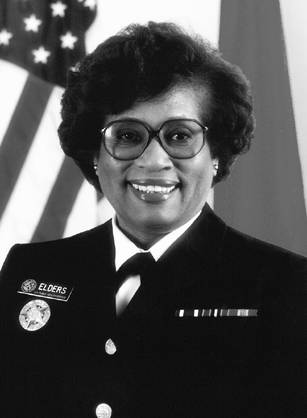
1) The true poster child of Masturbation Month is former US Surgeon General Jocelyn Elders. Following a speech at the 1994 UN World AIDS Day, Elders was asked about masturbation as a way to discourage youth from engaging in partnered sex. She responded, “I think it is something that is part of human sexuality and a part of something that perhaps should be taught” (EmpowerHer, 2010). Gasp! The result: Elder was forced to resign from government.
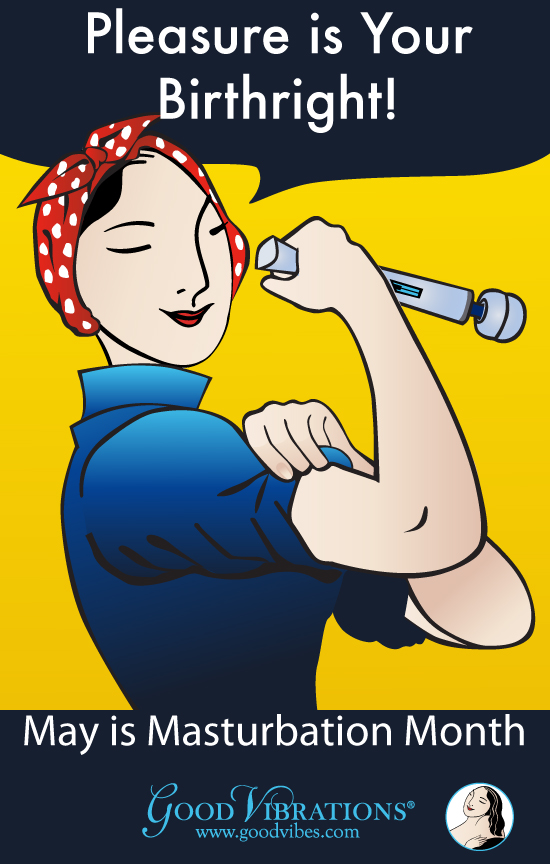
But this sex shaming and conservative wrath backfired with a whole month dedicated to public talks, workshops, dancings, plays of all thing Masturbation! Thanks to Good Vibrations, the guru of sex toy shops. National Masturbation Month aims to encourage people to talk freely about it, to end the guilt associated with it and dispel the notion that it is “second-best” to “real” sex (Good Vibes’ official statement).
2) The celebration of #radical self-love has taken place every year since. The ever-so-climatic Masturbate-A-Thon is its biggest fundraiser. It encourages people to collect pledges and raise funds for sex-positive non-profits. Masturbate-A-Thon was originally hosted in San Francisco by Good Vibration and has spread to other cities like Portland OR, Washington D.C., London, England, and Copenhagen, Denmark. For it’s 14th Anniversary, the Thon will be held in Philly, PA, and funds will be used to benefit local LGBTQ inclusive sex-ed organizations, Pleasure Rush! and ScrewSmart. These guys established a CrowdRise fundraiser to help raise $3,000 from 1 May to May 27th, 2013, in order to help pay for the end of the month party, festively named Creamium.
Both Pleasure Rush! and ScrewSmart believe that the Philly Masturbate-A-Thon 2013 has the power to deliver the following: -Reduce stigma and shame around sexuality.
-Promote sexual health Create a community of dialogue around the importance of pleasure. -Give you an excuse to jerk off for hours!” (Crowdraise).
Masturbation Month Poster made and sourced from The Buzz, Good Vibrations Magazine, www.GoodVibes.com
3) In honor of International Masturbation Month, the Center for Sex & Culture (CSC) in conjunction with Shilo McCade’s “I Masturbate…” photo exhibition (summary about the photo project), is facilitating a writing class on the power of masturbation. Participants will spend a few hours writing response to photos and sharing stories about orgasms, self-love, and other aspects of sexuality. Proceeds support the CSC.
4) Ever heard of Betty Dodson? She is only the Queen of Masturbation and a pioneer in sexual liberation. Here is a great article by a woman who attended one of Betty’s 5-hour masturbation workshops and learned new types and ways of orgasm.
5) The student run news source, The Interloper @ USC is running its first ever masturbation writing contest. Winner gets a vibrator. You can read the first story: You Are Sleeping Inside Me.
6) Think you’re a master of masturbation? Test your knowledge with this 14 question quiz!
Masturbation Month is growing in profile but it stems from a long history of societal hush-hush syndrome. In fact, masturbation didn’t receive any attention on prime time television until Seinfeld brought up the taboo topic in 1992. In the episode (wikilink), George Constanza is caught by his mother masturbating. He confesses to Jerry, Elaine and Kramer and the conversation results in the four entering a contest to determine who can go for the longest period of time without masturbating.
No one wins. What’s interesting is that while the topic is quite blatant and insinuates that everyone masturbates (often!), the word “masturbation” could not actually be spoken. NBC thought the topic wasn’t suitable for TV, so the taboo is described in a series of hilarious euphemisms.
As Good Vibrations writes, “Almost everyone masturbates, but all too few of us are willing to admit to enjoying this simple pleasure – mostly because of the taboo against masturbation in our society, which has its roots in historical misconceptions that have survived to the present day.” During the 18th, 19th, and 20th century in Europe and America, masturbation was believed to be a debilitating wastes on energy that could result in exhaustion, impotence, insanity, epilepsy, etc. People obsessed over ways to prevent and treat the destructive urge.
For example, Dr. John H Kellogg advocated that circumcision should be performed with no anesthesia in order to deter children from “self-abuse” (cracked.com). Yes, this is Kellogg of the Kellogg’s cereal. Grape-Nuts, and later Corn Flakes, were invented to prevent “fire in the blood”. As early as the 1800s, masturbation experts believed that certain foods stimulated the urge, so people were recommended certain diets that eliminated instigators like pickles, candy, and eggs, and designed non-stimulating alternatives like cold breakfast cereal.
For more investigation into the rabbit hole of bizarre anti-masturbation treatments, Cracked.com offers a great article that covers all methods from Boy Scouts’ cold showers, to leeches, and spiked penile rings, bondage belts, and clitoridectomy.
So Happy Masturbation Month Everyone!
Let’s be thankful that our notions and acceptance of the deed has evolved from spiked penis restraints to Masturbate-A-Thon fundraisers! It’s great that there are many more sex positive resources out there that help normalize masturbation for us all. In some ways, it is a political act. It’s the ultimate safe sex, it increases awareness of your body and own sexual response, it relieves cramps, and it’s fun! So celebrate!
Do you have any fun facts or masturbation resources to share? Please comment below.
It’s always nice to know if you like what you’ve read. Please let us know by tweeting this or liking us on Facebook.
Special thanks to Good Vibrations, BlogHer, EmpowerHer, and Bitch Mag for the images and information.
This site contains affiliate links. When you purchase products through these links, we may earn a commission at no additional cost to you. These commissions help support our work in providing comprehensive sexual health information. We carefully select our affiliate partners and only recommend products we believe will be valuable to our readers. While we may receive compensation for purchases made through these links, this does not influence our reviews or recommendations. All opinions expressed are our own.
Caution Wear Corp is a relatively new American company- formed in New Hampshire in 2004. They follow the “safety first” motto by making condoms slightly thicker and with a 100% manufacture guarantee. So, if a condom breaks you can return the box for a full refund (not the used condom, of course!).
All Caution Wears are straight classic shape. No funky flares or twists. The average size of these condoms is Flat width = 2.0” and Length = 7.0”, making Caution Wear a bit shorter than other leading US brands like Trojan, Durex, Lifestyles and Kimono (links to sizes charts). Caution Wear makes one of the smallest condom on the North American market- Iron Grip– which we found to be the same dimensions as Durex Enhanced Pleasure (Flat width = 1.92”/Length = 6.7”). For more variety, check out Lucky Bloke’s smaller condom sample pack.
On the larger side: unlike other large condom that are both longer and wider than regulars, Caution Wear Grande maintains the same 7.0” length but is wider. This is ideal for thicker than average men who aren’t particularly long.
If you don’t feel like scrolling through lists and want brand comparisons, check out our Condom Size Calculator!
Now, onto the size chart
Some links in this post are affiliate links that earn us a small commission. This is not a company endorsement.
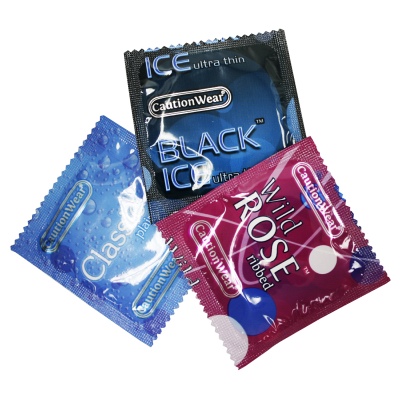
Contains 3 of Caution Wear variety: Ultra Thin, Ribbed and Classic Plain.
Experimenting is the best way to find the right condom!
Base width: 2.0”/53mm
Length: 7.0”/180mm
——————————————
Confused about what condom width will fit? We recommend dividing you penis girth by 2.25 (penis circumference / 2.25 = condom width). Here we explain where these numbers comes from.
Our size charts constantly updated, so please join our Facebook, Twitter or RSS feed to keep informed.
The Legal Stuff: Age of consent and medical advice
The size charts are made for you to consult and hopefully find the brand that suits within your size range and needs. If you cannot find the answer to your question, just ask in the comments below. But please be aware that we do not condone sexual activity of under-age persons in state or country. Also, we are not medical professionals. We offer opinions from personal experience and research. Professional advice should always be sought.
This site contains affiliate links. When you purchase products through these links, we may earn a commission at no additional cost to you. These commissions help support our work in providing comprehensive sexual health information. We carefully select our affiliate partners and only recommend products we believe will be valuable to our readers. While we may receive compensation for purchases made through these links, this does not influence our reviews or recommendations. All opinions expressed are our own.
A study published in June 2012 argues that penis shape and size must be taken more seriously by public health officials and activists who aim to increase consistent and correct condom use. Researchers Michael Reece and Debra Herbenick of Indiana University found a substantial percentage of men reported condoms being too tight, too loose, too short, too long, breakage, leakage…basically, general condom discomfort that can result in misuse or disuse, which translates into a serious public health issue.
The majority of condom products are fitted for “average” length at 6.4 inches when erect (see the Kinsey report and The Simple Truth about Erect Penis Size). However, as Reece and Herbenick found, length of the condom is not the greatest discomfort; rather, it is fitting around the head and shaft that scored highest among complaints, with penis base at a close second. For example, of those men who reported that condoms were too tight, 66% reported tightness around the base, 70.4% around the glans, and 73% around the shaft.
The study concludes that HIV and STI practitioners must get involved with condom manufacturers to ensure that condoms are consistent with men’s experiences of fitting and pleasure. Indeed, no matter what size, all men should have access to well-fitting condoms.
Quick Tip! The FC2 internal condom is one size fits all. Because it’s made to form to the inner walls of the receptive partner, penis size is irrelevant. This is a great solution for those fitting woes.
Sizing
To know which condom width fits, we recommend dividing penis circumference by 2.25.Here we explain where we got this formula.
Image from @TheyFitCondoms
Given the wide range of condoms on the market, prevention providers can play a valuable role in helping men to identify condoms that suit their size specificities, hence increasing the likelihood of consistent condom usage. For a large proportion of those who reported tightness around the glands (70%), for example, HIV and STI prevention providers may alleviate men’s perceptions that condoms all are too tight by recommending condoms that are designed with a more bulbous head to reduce constriction. As our chart shows below, Durex condoms and One Condoms tend to offer a greater variety in contoured shapes and head room.
Here we have organized a list of condoms according to the 4 “problem points” identified in Reece and Herbenick’s study. Under each complaint we provide a list of condoms by brand that may help alleviate discomfort.
Please note: External links may be affiliates that give us a small commission. This is not a company endorsement. Due to the fact that major North American brands are Durex, Trojan, Lifestyles, Beyond 7 and Caution Wear, our first aim is to gather these dimensions. We continue to update.
Slightly longer than regular condoms. Shaped with a secure fit in the middle and spacious head room.
Base width: 2.25″/ 56mm
Mid width: 2.28″/ 58mm
Head width: 2.4″/ 61mm
Length: 7.9″ / 200mm
Same length of regular condoms, but wider and large head with unique ribbed design.
Base width: 2.25″ / 56mm
Head width: 2.4″/ 62mm
Length: 7.4″/ 188mm
Ultra thin, vegan latex, larger condom.
A wider condom with regular length. Great option for shorter but larger headed guys (this is on the smaller end of Large-head condoms). Tapered flare shape that extends to a wide head.
Base width: 2.13″/ 54mm
Head width: 2.36″ / 60mm
Length: 7.5″ / 190mm
This is Caution Wear’s largest condom. Unlike other large condoms, this one is wider than regular condoms, but maintains the same 7.0″ regular length. Good for wider girth without the extra length. Straight shape.
Base width: 2.25″/56mm
Length: 7.0″/180mm
One of the longest and widest most famous condoms on the market. Made with an extra bulbous head and wider shaft width.
Base width: 2.3″/58mm
Head width: 2.7″/68.58mm!
Length: 8.3″/ 210mm
Tapered at the base for a secure fit and extends wider up the head for comfort. Suitable for guys who find standard condoms too short and too tight.
Base width: 2.13″/ 54mm
Head width: 2.5″/63.5mm
Length: 8.12″/206mm
Tapered at the base with spacious head for more comfort. Great choice if you need a larger condom but desire ultra thin latex.
Base width: 2.13″/ 54mm
Length: 8.12″/ 206mm
Uniquely large bulbous head and shaft for more freedom of movement. Ribbed on shaft.
Longer than regular condoms
Base width: 2.13″ / 54mm
Head width: 2.5″ / 64mm
Length: 8.1″ / 205mm
Tapered securely at the base with huge head space. Longer than most condoms. Tingling ginger lubricant (inside and out). Ribbed along shaft and head.
Base width: 2.0″/ 52mm
Head width: 2.5″/ 64mm
Length: 8.1″/ 205mm
Ribbed and studded for extra stimulation
Slightly wider contoured shape at base than regulars; fitted head without the extra length. More headroom.
Base width: 2.15”/ 54mm
Length: 7.9/200mm
First ever large-size polyisoprene condom.
Strong as latex but softer, more flexible material.
Ideal for people with latex allergy or sensitivity.
Wider base and shaft than the Magnum, but not quite as long. Slightly longer than average LifeStyle condoms. Straight classic shape. Ideal for thicker than average guys.
Base width: 2.2”/ 56mm
Length: 7.9”/ 200mm
A large condom without over-sized headroom. Wider and longer than regular Lifestyles.
Contoured pleasure shape to secure fit around shaft.
Base width: 2.2”/56mm
Length: 8.26” /210mm
Exclusive over-sized head room, but with the average length.
Stimulates most sensitive areas for both partners
Base width: 2.05”/ 52mm
Head width: a huge 2.9″ / 74mm!
Length: 7.5”/190mm
Classic straight shape (no flare or bulbous head). Wider and longer than regular condoms.
Made of vegan latex.
Base width: 2.2″/ 56mm
Length: 8.0″/ 205mm
25% thinner than Trojan’s standard condom
Close comfort fit around the shaft. Has the same long length as Magnums with snug fit around the shaft and slightly less head room. Good if one is looking for longer length, but not wider width.
Base width: 2.13″/ 53mm
Length: 8.0″/ 203mm
Is wider and longer than regular condoms. Classic straight shape.
Made of Polyurethane, which is more soft and elastic than latex.
Base width: 2.2”/ 56mm
Length: 7.9”/200mm
Very long. Tapered at the base for secure fit, wide bulbous head.
Special tingling and warming lubricant on inside and outside.
Base width: 2.13″/ 54mm
Length: 8.13″/ 205mm
Dry condom. (Great for oral sex).
Classic straight shape. Longer than regular sizes with standard Trojan width.
Base width: 2.1″/53mm
Length: 8.0″/ 200mm
Trojan ENZ Spermicide Lubricant
The classic ENZ long condom also comes with spermicide lubricant (not for oral use).
Base width 2.1″/53mm
Length: 8.0″/ 200mm
Tapered at the base for a secure fit and extends wider up the head for comfort. Suitable for guys who find standard condoms too short and too tight.
Base width: 2.1″/53.34mm
Head width: 2.5″/63.5mm
Length: 8.12″/206mm
The largest condom made by Durex
Classic straight shape
Compared to Trojan Magnum XL, Durex XL is wider at the base and longer, but smaller head than Magnums.
Base width: 2.3”/58mm
Length: 8.3”/210.8mm
20% thinner than standard latex condoms
Unique easy-on design shape to roll on smooth.
Contoured at the head with a flare shape to the opening.
On the larger side of the regular condom sizes in both width and length.
Base width: 2.1”/54mm
Length: 7.9”/ 200mm
Durex’s thinnest latex condom
Longer than the average condom, with slightly snugger width at the base. Suitable for guys who are looking for more width without the extra length.
Base width: 2.0”/5.1mm
Length: 7.9”/200mm
First ever large-size polyisoprene condom.
Strong as latex but softer, more flexible material- the latest in condom technology.
Ideal for people with latex allergy or sensitivity
Wider base and shaft than the Magnum, but not quite as long. Slightly longer than average LifeStyle condoms. Ideal for broader, thicker than average guys.
Base width: 2.2”/55mm
Length: 7.8”/200mm
Popular contoured shape that flares wide at the head, tapered at the base for secure fit. Suitable for men between approximately 4.54″ and 4.72″ erect girth (slightly greater length is normal for thin condoms to prevent risk of breakage).
Base width: 2.1” / 53mm
Length: 7.8”/ 200mm
Wider and longer than regular Lifestyles condoms. Not quite as long as Trojan Magnums. Suitable to those fit in between regular and XL length.
Flare shape for wider end.
Base width: 2.2”/56mm
Length: 8.3”/210mm
Contoured shape for tapered fit around the base and shaft. Is one of the shortest condoms on the North American market.
Base width: 1.92”/49mm
Length: 6.7”/170mm
Extra ribbed, ultra studded, uniquely shaped.
Uniquely contoured at head for his pleasure (see image here)
Regular condom length but closer fitting shaft and head.
Base width: 1.93”/49mm
Length: 6.69”/ 170mm
Beyond Seven
All Beyond Seven Condoms, except Crown, are less than 7.5 inches long. They also offer some of the thinnest latex condoms on the market.
Beyond7 Ultra Thin Classic straight shape condom. Slightly shorter than standard regular condoms
Base width: 2.0”/51mm
Length: 7.2”/180mm
The thinnest condom makers offer studded condoms for those who love extra stimulation.
Studded along the shaft
Base width: 2.0”/51mm
Length: 7.2”/180mm
Special twisted shape and ribs for sensual friction
Regular length of Trojan condoms, but is 0.25” slimmer at the base than regular Trojan condoms for a snug grip round the shaft.
Base width: 1.75″/44mm
Length: 7.8″/198mm
Durex’s thinnest latex condom
Slightly snugger width and longer length than most regular sizes. Suitable for long and slender guys.
Base width: 2.0”/5.1mm
Length: 7.9”/200mm
Contoured shape for tapered fit around the base and shaft. Is one of the snuggest (and shortest) condoms on the North American market.
Base width: 1.92”/49mm
Length: 6.7”/170mm
This is The smallest condom on the North American market.
Unique shape hugs better around shaft and head
Base width: 1.77”/ 45mm
Head width: 1.92″/ 49mm
Length: 7.0”/ 180mm
Extra ribbed, ultra studded, uniquely shaped.
Uniquely contoured at head for his pleasure (see image here)
Regular condom length but closer fitting shaft and head.
Base width: 1.93”/49mm
Length: 6.69”/ 170mm
4X more lubricant than standard latex condoms.
Thinner than standard condoms with average length.
Base width: 1.9″/50mm
Length: 7.2″/185mm
All other Beyond7 condoms are approximately 2.0 inches base wide. Check out their condom size chart for more detailed measurements on all their products.
————————————
Our size charts are constantly updated, so please join our Facebook, Twitter or RSS feed to keep informed.
This site contains affiliate links. When you purchase products through these links, we may earn a commission at no additional cost to you. These commissions help support our work in providing comprehensive sexual health information. We carefully select our affiliate partners and only recommend products we believe will be valuable to our readers. While we may receive compensation for purchases made through these links, this does not influence our reviews or recommendations. All opinions expressed are our own.
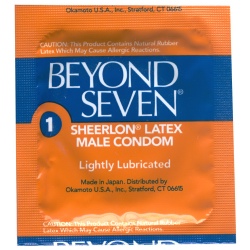
Beyond Seven Condoms. Image from UndercoverCondoms.com
Beyond Seven is the fourth largest condom brand in the world and has been around since 1937 starting in Tokyo, Japan. Standard latex condoms are typically .007 inches thick- but the “Sheerlon” latex of Beyond Seven can measure as thin as .004 thickness, offering one of the thinnest condoms (if not the thinnest!) on the market. These condoms tend to have a standard width of 2.0 inches (measuring the condom laying flat) and to be on the slightly shorter side of standard regular condoms (see our guide on standardized condom sizes). These condoms are perfect if you prefer a snug and thin fit. The best thing to do is experiment with different styles to find the right condom for you. Afflitate links within.
For a comparative search of condom sizes, try our condom size calculator. If you want to compare Beyond Seven against other brands by width, length, and material, use the full condom size chart. Quick Tip! To find the condom width that fits, divide penis circumference by 2.25. Here is how we got this formula.
Zero Zero Four measures the success this condom trumps as being the thinnest condom on the market! Where standard latext condoms are .007, Beyond7 is .004 thickness.
Base width: 2.0”/51mm
Length: 7.2”/180mm
The thinnest condom makers also offer studded condoms for those who love extra stimulation.
Studded along the shaft
Base width: 2.0”/51mm
Length: 7.2”/180mm
Perfect those who want to try all that’s offered from Beyond Seven. This sampler contains 24 condoms including Ultra Thins, Crown, Crown .004, Aloe Enriched, Studded, and Assorted Colors.
————————–
If you are experiencing specific condom fitting problems, check out our fitting solutions guide. Or you can leave a comment below and we’ll help you out.
Our size charts constantly updated, so please join our Facebook, Twitter or RSS feed to keep informed.
This site contains affiliate links. When you purchase products through these links, we may earn a commission at no additional cost to you. These commissions help support our work in providing comprehensive sexual health information. We carefully select our affiliate partners and only recommend products we believe will be valuable to our readers. While we may receive compensation for purchases made through these links, this does not influence our reviews or recommendations. All opinions expressed are our own.
“What do you do when you’re detained by powerful officials, everything you say is presumed deceptive, arbitrary “evidence” is held against you, and you’re treated like a moral deviant? And what if its 2013, you’re a woman, and the “evidence” is that you possess condoms?”- Clay Nikiforuk
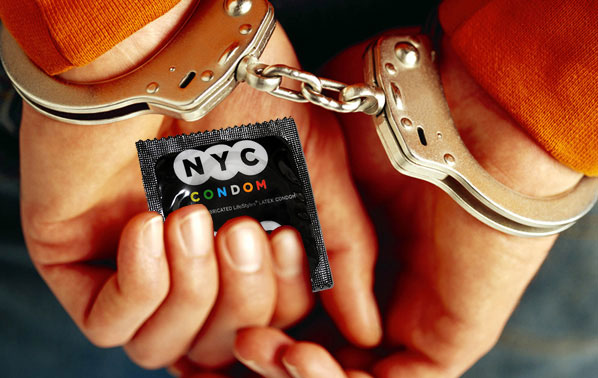
Say no to condoms as legal evidence. Image from Photobucket.
In March 2013, Clay Nikiforuk was detained at the Quebec/Vermont boarder under suspicion of being a sex worker. The evidence: about 8 condoms and some sexy underwear. Hours of questioning passed over the possible relationship between her lingerie and condoms. Clay was eventually allowed into the US, but found out two weeks later that she had been flagged as a suspected sex worker. A series of consequences followed including limited visa permits, about $1000 in extra travel fees, and more police interrogations.
It’s easy to point at the sexist double standard here. If a young, stereotypically “masculine” man traveled with a pack of condoms and nice underwear his moral integrity would not be questioned. But there is something else at play than slut-shaming alone. Condom policing reinforces standards of what is appropriate female and male sexuality (a.k.a. heteronormativity). And wrapped up in those messy assumptions are racial and class stereotypes.
We have posted other monologues about condom policing before. The NYPD’s tactic of condoms-as-evidence systematically results in gender-based violence. The victims are overwhelmingly non-white transsexual women. This discrimination occurs daily. The news media picks it up from time to time- maybe once a year by questioning whether condoms-as-evidence of sex work is constitutional. In fact, a bill to stop this legal practice has been struggling to pass congress for nearly a decade.
But when condom policing happens to a white, educated young woman (read privilege) the media takes up the issue in a new way- through innocence. Clay writes a response to the media’s representation of her story on Rabble.ca.
“I wasn’t featured nationally in Metro as “Uneducated girl is accused of sex work” but rather as “UBC student.” I didn’t join CBC’s Daybreak show as “Sex worker/adulteress treated as second class citizen” but rather, “Woman files complaint after border crossing nightmare.” So long as I was positioned as privileged, and, sometimes by proxy, innocent, my story had shock value. Because when bad things start happening to innocent, educated white people, they could happen to anyone — or rather, other privileged people. And that is very, very scary.”
“….I’ve stopped answering the point-blank question of whether or not I am, was, or ever will be a sex worker. I like to entertain the half-mad fantasy that no matter whom one has consensual sex with or why, one is irrevocably a human deserving respect and rights. The point is: when sex and sexuality are criminalized, people are made illegal and their rights made moot.”
“….If I were a sex worker, I might have “deserved” the treatment I received, or my detainment might have “made sense.” If I were from a minority group or were not as educated in the English language, my story might not have provoked the shock and outrage that it did. And rather than receiving the reaction “That should never happen to anyone,” often the reaction I still get is “That should never have happened to you.”
This site contains affiliate links. When you purchase products through these links, we may earn a commission at no additional cost to you. These commissions help support our work in providing comprehensive sexual health information. We carefully select our affiliate partners and only recommend products we believe will be valuable to our readers. While we may receive compensation for purchases made through these links, this does not influence our reviews or recommendations. All opinions expressed are our own.
This post is for anyone who has a partner that always moans (in a bad way) about using a condom; for anyone who has experienced condom hating; and for anyone who refuses to wear a condom. This is to equip you with reasoning and responses to possible excuses for not using condoms.
A fact we need to face:
When you insist on using a condom you are doing the right thing! Condom usage is about caring for yourself and caring for your partner. Many people get uncomfortable in the condom situation or give-in to not using one because the other doesn’t want to. It is your right as a human being to assert your health needs with your partner. As Heather Corinna puts it: “Asking someone to care for you in any way is not a barrier to intimacy: it’s not asking that keeps space between you…sexual health or even just how to use condoms and use them in a way that works for both of you is not something that keeps people apart, but that brings people closer together.”
In other words, caring for yourself should be a caring partner’s want. If your partner can’t respect your desire to be safe than that is a relationship-red-flag.
Here are some responses you can give to whatever your partner dishes out. Some of these scenarios are from sex educator, Laci Green. For more advice, check out her post and watch her entertaining and informative video on how to deal with sex safety.
Responses to Condom Hate
________________________
Partner: “It doesn’t feel good.” “I can’t feel anything”. You:“I can’t enjoy sex if I don’t feel safe.” “The safer I feel, the hotter the sex.”
Note: Those who say that they can’t feel anything with a condom are a) being dishonest and/or b) have a lack of experience and are not using condoms properly. Check out our post on the myths of condom hate.
________________________
Partner:“You think I have an STD”. “You don’t trust me.” You:“This isn’t about me thinking that here is something wrong with you; this is about both our health.” “Don’t you care about the same thing?”
_________________________
Partner: “I want to be closer to you/feel you.” You:“I can’t feel close to you if I don’t feel safe.”
_________________________
Partner: “Just this one time.” You: “We’ve got all these condoms. Let’s do it more than once!” “Once is one too much for me.”
_________________________
Partner:“They never fit.” You: “There are so many styles of condoms, let’s try them out and see which ones are best!” “If it’s too big for a condom, it’s too big for me.”-Laci Green
For more advice and ideas check out Laci Green’s website. Scarleteen is pretty great too.
What other excuses and responses are out there? What have you experienced?
This site contains affiliate links. When you purchase products through these links, we may earn a commission at no additional cost to you. These commissions help support our work in providing comprehensive sexual health information. We carefully select our affiliate partners and only recommend products we believe will be valuable to our readers. While we may receive compensation for purchases made through these links, this does not influence our reviews or recommendations. All opinions expressed are our own.
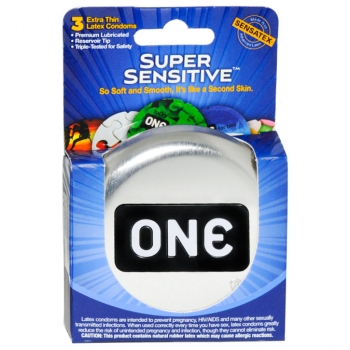
ONE Condoms have a few perks that make them stick out from the rest. First, when it comes to looks, they think outside the square with round packaging and trendy designs that consumers both illustrate and vote for on ONEcondoms.com. Thumbs up for effort to get people interactive with safer sex. Second, is charity. Winning designs become part of their world-wide packaging and a donation of 5000 condoms are made to a non-profit organization of the winner’s choice.
Fun is a big part of this condom- they feature hundreds of colors and shapes and textures. In general, however, they only offer two sizes:
Regular (Base width: 2.1”/53mm. Length: 7.5”/190mm)
and Large (Base width: 2.2”/56mm. Length: 7.8”/200mm).
For a comparative search of condoms without the long lists, try the condom size calculator; if you want the brand-by-brand width table, compare ONE against the full condom size chart.
But keep in mind that size is not everything. Shape is important too. ONE Condoms feature some unique shapes to solve fitting ills. For example, if you are experiencing tight constriction around the head, but the length and shaft are fine, try the dome shape or pleasure pouch or flare shape. See more details below. And check out our Fitting Solutions Guidefor more options. The best thing to do is experiment and try new styles.
ONE does not make non-latex condoms. Lifestyles SKYN Elite Large is the only XL non-latex condom sold at US stores. There currently are no non-latex snug fits on the market, so it is a matter of trying different shapes and designs. Both Durex and Lifestyles have a better variety of non-latex condoms.
This is not a company endorsement! We are independent but some links are affiliate links that earn us a small commission.
Quick picks
ONE condoms to compare first
If you are buying from this ONE size chart, start with the fit or feel problem you are solving. Product links go to Condomania. Use coupon code CONDOMMONOLOGUES where applicable.
This ONE stands out from the rest as the most normal, straight walled condom compared to ONE’s trendy reputation.
Base width: 2.0”/52.89mm
Length: 7.5”/190mm
Offers same length as regular condoms but extra smooth.
Advertised as 50% more lubricant (perhaps this is an upgrade from 2008 when a member of CM reviewed it).
Base width: 2.1”/53mm
Length: 7.5”/190mm
Decorated with oriental-design ribbing, this is one for the most intricate looking jonnies.
Flared shape gives more head-room and a secure fit at the shaft.
Base width: 2.1”/53mm
Length: 7.5”/190mm
Uniquely shaped- some diagrams make it look a bit like a boat rudder; the roomy pouch at the head features fine ribs to stimulate both partners.
Base width: 2.1”/53mm
Length: 7.5”/190mm
Extra-bulbous head room.
Because of it’s unique shape, it is slightly misleading to categorize this condom as “regular” size. Suitable for men who experience constriction around the head and find regular condoms to narrow.
Base width: 2.1”/53mm
Length: 7.5”/190mm
Make sexy fun! FDA approved non toxic glow-in-the-dark condoms. Expose to light for 30 seconds and glows for up to 30 minutes.
Fun fact: ONE Condoms owner, Global Protection Corp., is the first to make glow in the dark condoms.
Base width: 2.1”/53mm
Length: 7.5”/190mm
Get a mixed bag of 9 different choices from ONE’s pleasure line, including Super Sensitive, 576 Sensation, ZERO, Pleasure Plus, Pleasure Dome, Flavor Waves, Glowing Pleasure, Color Sensations, and The Legend.
All regular size, except The Legend.
Wider at head and base, and longer than regular condoms.
Base width: 2.2”/56mm
Length: 7.8”/200mm
Note: Same size as Lifestyle’s non-latex SKYN Large. If you need larger, check out Durex and Trojan.
25% thinner than standard condoms
Flare shape at the top
Base width: 2.2”/56mm
Length: 7.5”/190mm
———————–
This is the latest edition of our condom size chart with the latest ONE condom products. During our research we noticed that some condom retail sites give conflicting measurements for the same condom. So, we gathered our information from the companies themselves and verified sizes with retailers including Undercover Condomsand Condom Jungle. If you come across a falsely measured product, let us know!
Our size charts constantly updated, so please join our Facebook, Twitter or RSS feed to keep informed.
This site contains affiliate links. When you purchase products through these links, we may earn a commission at no additional cost to you. These commissions help support our work in providing comprehensive sexual health information. We carefully select our affiliate partners and only recommend products we believe will be valuable to our readers. While we may receive compensation for purchases made through these links, this does not influence our reviews or recommendations. All opinions expressed are our own.
You know, the sense of the historic moment hanging over these cases is incredible, and the atmosphere is really electric…As my husband said, it really feels like our very lives are before the court. But there’s no mistaking this historic moment. The momentum leading up to these hearings is incredible. Every day, when we turn to the headlines, there’s some new polls showing increasing majority support nationwide for equal marriage rights.- Stuart Gaffney, interview on Democracy Now!
Stuart Gaffney and John Lewis speaking on Democracy Now 26 March 2013
That is a quote from Stuart Gaffney, media director at Marriage Equality USA, describing what it felt like, both as a married gay man and an activist, to be in the Supreme Court watching the arguments about the constitutionality of DOMA. For those who don’t know, DOMA (Defense of Marriage Act) is a federal law enacted in 1996, that denies federal benefits to legally married same-sex couples.
Our LGBTQ-logue pays homage to this historic moment (the Supreme Court discussing the systemic discrimination of sexual orientation is landmark!) by hearing the family story of Stuart Gaffney and his husband John Lewis, together for 25 years. You can watch a full interview with them at DemocracyNow.org
is significant because it directly connects with the history of laws banning interracial marriage until the Supreme court deemed them unconstitutional in 1967. This issue came up in the Supreme court when Justice Scalia asked attorney, Theodore Olson, when it became unconstitutional to exclude homosexual couples from marriage.
Listen to Clip [sc_embed_player fileurl=”http://condommonologues.com/wp-content/uploads/2013/03/12-144-Hollingsworth-v.-Perry-trimmed.mp3″]
For the entire Supreme Court argument on March 26, 2013, listen here.
John and Stuart’s very own family story draws parallels of racial discrimination and discrimination on the basis of sexual orientation in marriage law. As an interracial couple, Stuart’s parents- mother Chinese-American and father English/Irish American- faced the same barriers that Stuart and John face today. Read below:
For nearly as long as we can remember, we each wanted to meet someone to fall in love with and start building a life together. For us, it happened in 1987, when we met at a neighborhood election party. When we met, John felt as if he had already known Stuart forever. To this day, when we visit old places from Stuart’s childhood, John feels like he was there with Stuart. And even before our second date, Stuart had already told his best friend from college, “I’ve met my future husband.”
When we married at San Francisco City Hall on February 12, 2004 after 17 years together as a loving and committed couple, we felt for the first time in our lives that our government was treating us as equal human beings. Subsequently, the court ruled that our marriage was null and void. Since then, we have been working to educate our fellow Californians about the importance of equal marriage rights.
This is not the first time our family had found itself in the center of a historic civil rights struggle for equal access to marriage. Stuart’s mother, who is Chinese American, and father, who is white, were only able to marry over 50 years ago, because the state’s ban on interracial marriage was overturned. Stuart’s mother remembers how one of her classmates at the University of California had to leave the state to marry her white fiancé before the law was changed.
After their wedding, Stuart’s parents traveled across America and lived in many different parts of the country. When they moved to Missouri, they were disturbed to learn their marriage was illegal and void in Missouri because that state still prohibited marriages between Chinese-Americans and whites.
But everywhere Stuart’s parents went, they educated people about interracial relationships by their very presence as a loving couple. We too have traveled across America as part of the coast-to-coast Marriage Equality Caravan to do the same — to show that our common humanity is the basis for marriage equality across the land.
Like our parents before us, we simply want the freedom to marry the person of our choice and to have the same rights, recognition, and responsibilities for our family that all other loving and committed couples enjoy. Today, all of our parents want nothing more than for their son and son-in-law’s marriage to be legally recognized, just as their other children’s marriages are.
This site contains affiliate links. When you purchase products through these links, we may earn a commission at no additional cost to you. These commissions help support our work in providing comprehensive sexual health information. We carefully select our affiliate partners and only recommend products we believe will be valuable to our readers. While we may receive compensation for purchases made through these links, this does not influence our reviews or recommendations. All opinions expressed are our own.
I’m a tangible poster child for why DOMA should be repealed. If someone asks what’s unfair about our marriage not being recognized in all states, I can offer several examples, but here is the most glaring one: I’m dying. I have a terminal illness and I pretty much know my life span. My wife and I have been together since 1993, and we’re legally married in the state of California, yet the federal government does not recognize our marriage and the rights included therein.- Cathy, written testimony submitted before the Committee on the Judiciary, Respect for Marriage Act, July 20 2011.
Cathy is an activist dedicated to repealing DOMA and raising awareness about ALS.
Cathy and her wife have been together for twenty years. Cathy is dying from Lou Gehrig’s disease with a life expectancy of one to five years. Because the federal government does not recognize their marriage, Cathy’s wife will not receive her social security survivor benefits after she passes away. Instead, Cathy’s social security will go to the government. In her written testimony for the Committee on the Judiciary of the Respect for Marriage Act, Cathy explains how DOMA denies her family basic rights and stability that come with federal recognition of marriage. Cathy hopes to live long enough to see DOMA nullified.
In January 2009, I was diagnosed with Amyotrophic Lateral Sclerosis (ALS) a.k.a. Lou Gehrig’s disease. This is a progressive, fatal neuromuscular disease. Most people with ALS die 2 to 5 years after diagnosis….I have a powerful incentive to live long enough to see the federal government recognize our marriage. Without this recognition, my wife will not receive my social security benefits.
I met my wife in 1993 and we had our first unofficial wedding celebration on June 16, 2001. In February of 2004, we were one of thousands of couples who got married in San Francisco City Hall after Gavin Newsom honored our rights to marry. We had to travel three times to San Francisco in attempts get our marriage license because we weren’t allowed to schedule appointments as is done for heterosexuals. With thousands of other couples, we had to line up for blocks in rain, fog, cold, and wind for up to thirteen hours each trip. Our determination and steadfast love prevailed. The fourth time, we, like other couples, were allowed to schedule appointments and receive our marriage license. We exchanged vows immediately after in the glory of the S.F. City Hall rotunda. We framed our marriage license from the County of San Francisco, which the courts later nullified.
Again we did not give up. We were one of the 18,000 gay couples who did get married legally in California before California’s Proposition 8 put an end to gay marriages in the state. Our marriage is still considered valid in California, so we do have the same rights as any married couple in California.
However, when we step out of California, or deal with federal laws, we have none of those rights. This means if my wife and I travel out of state and my ALS requires a trip to the emergency room or a hospital stay, my wife could be denied the right to be with me at a time when I could be breathing my last breath.
When I die, [my wife] will not get my social security benefits. For heterosexual couples all over the country, when a person dies, their spouse gets their social security benefits. You get a monthly stipend because you’ve been paying into social security all your working life. You then draw off that money after you retire and if you die, it goes to your spouse or your dependent.
However, since the federal government does not recognize our marriage, [my wife] won’t get that. All the money I would have gotten to help support us if I were to grow older just goes back to the government. [My wife] can’t have it.
I contacted attorneys to see if there was anything I could do. They told me that, in the eyes of the federal government, I have no spouse. A few friends suggested that I legally adopt my wife, but the only way I could do that was if she were mentally incompetent. I don’t have any children so when I die my hard-earned money goes back into a government that doesn’t honor our legal California vows. Not only will my wife suffer [the loss of her] life companion, she will suffer financially.
Although some people consider social security benefits to be of minimal help, in this case it could mean the difference of my wife being able to pay her rent. We are not wealthy and, even though we are known regionally as “rock stars,” most of our years together we lived paycheck to paycheck. We did inherit some money after my brother Larry died of ALS, but most of this was spent on pre-paying my cremation, the death certificates, and taking care of other legal matters upon my death.
So once again I emphasize that with DOMA currently in place, the absence of social security benefits will burden [my wife] during her already stressful and sorrowful grief and mourning. Because her immediate and extended families shun her, they certainly will not be helping her emotionally or financially. As more of my family members die of ALS, my wife’s support system will continue to diminish.
We had a well-known duo, Duval Speck, a band, The Essentials, and produced three CDs. We performed all over California for LGBT rights and celebrations, ALS Benefits, and at “mainstream” public events. We never changed a word in any song, which made us vulnerable to “haters.” For example, if the lyrics were: “I fell in love with her, and knew she’d be my wife; I would comfort her for all of her life,” we’d never switch “her” to “him.”
In 2009, the first year and a half after I was diagnosed, we produced, directed and performed in many benefit concert fundraisers for ALS. Sadly, the ALS has now taken away my ability to sing, and my arms and hands hurt and are too weak to play percussion. On Sept 25, 2010 we put on a hugely successful concert for ALS. That was the last time either of us performed.
My wife, is also my caregiver. Doing her job, the tasks that I can’t do anymore, putting me to bed, cooking and monitoring how I eat, and making sure I can breathe, doesn’t leave much time for making music. If you have ever heard her play guitar and sing, you’d agree that she is uniquely wonderful. This is such a horrible loss for her and our friends and fans.
I have to sleep with special equipment to deliver oxygen now, and my energy continues to decline. My degree of fatigue determines what I can accomplish each day. Nothing, and if you could see my face right now, you’d know I mean nothing will dampen my spirit. And, I hold onto hope that if I live long enough, maybe the laws will change and the federal government will recognize our marriage. That keeps me getting out of bed in the morning, striving for LGBT equal rights, and continuing to raise funds to find a cause and cure for ALS.
.….if you want a real-life example of why DOMA is unjust, I’m right here–a 51-year-old woman dying from ALS (a disease our society tends to hide) and my wife, 53, with still plenty of life to live. I’m the “poster child” for “Repeal DOMA” and “Defeat ALS.” Some people in our great country don’t think we’re as good as they are, and don’t think we deserve the same rights. Well, we are as “good as they are” and we do deserve the same marriage rights. Go ahead and plaster my story on every wall and every screen.
I’m not dead yet. Even the terminally crippling disease of ALS won’t stop me as I strive to open hearts and eyes, so that all may live with love and equality.
This site contains affiliate links. When you purchase products through these links, we may earn a commission at no additional cost to you. These commissions help support our work in providing comprehensive sexual health information. We carefully select our affiliate partners and only recommend products we believe will be valuable to our readers. While we may receive compensation for purchases made through these links, this does not influence our reviews or recommendations. All opinions expressed are our own.
The US faces an HPV epidemic, yet there is still little known about the virus. A Florida-based grassroots organization, HPV Awakening, is fighting to expand research about the virus to provide resources for treatment and prevention. Public awareness is in desperate need of an energy boost.
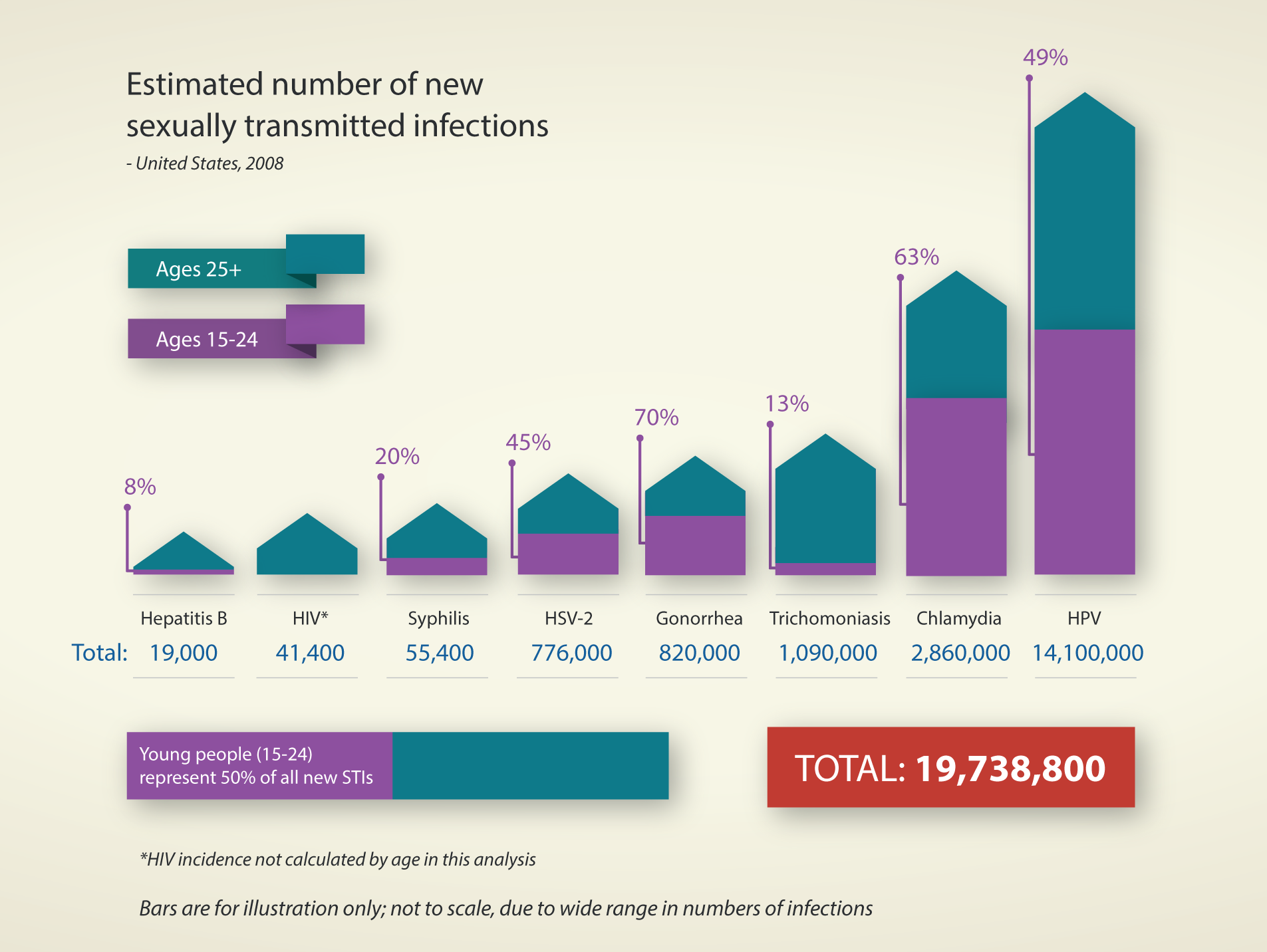
HPV is the most prevalent and rapidly spreading STI in the USA according to a February 2013 report (PDF) by the CDC (Center for Disease Control and Prevention). Based on the most recent data on STIs in 2008, the report finds approximately 80 million Americans are infected with some form of HPV- which makes up 71% of all STI infections in the country. And it is spreading fast, as most people with HPV do not know they are infected. Fourteen million will become newly infected this year. This means that almost every sexually active person in the US (regardless of sexual orientation, number of partners, age, income, etc.) will acquire HPV at some point in their lives. In other words, we are officially in an HPV crisis.
Sounds pretty serious, eh? In most cases, HPV will go away by itself before it causes any health problems- particularly in young people. The problem is that there are many variations and strains of HPV- 40 of which are related to cancer- and there remains much unknown medically about the virus and how to detect it.
For example, there is no certain way to tell who will develop health problems from HPV and who will not. For men, there is currently no FDA-approved HPV test, which means that men who have clear STI screenings with negative results should not consider themselves HPV-free or at zero-risk. The only form of testing a male can have is through an anal pap smear (used to check for anal cancer), and only if he has been the recipient of anal sex, not directly as a method to check for HPV. For women, there are test to directly detect the virus, but they are not mandatory- you still have to specifically ask for them, despite how prevalent HPV is in the USA. In 2009, the FDA approved DNA testing for HPV yet blood donations and samples are not screened.
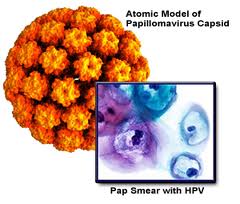
What is HPV? Human Papillomavirus is an infection of the skin and mucous membranes. There are over 100 strains of HPV of which 40 are identified as sexually transmitted infections. It is often called “genital warts”, because when a strain causes warts (not all do) and symptoms are visible it appears as tiny cauliflower-like clusters on the genitals. These HPV types can also infect the mouth and throat. Other strains are cancerous and some are a direct cause of cervical, anal, and oral cancer. On average, about 15,000 women get diagnosed yearly with cervical cancer and about 80% of these cases are cause by HPV.
In most cases, HPV shows no symptoms yet remains highly contagious, and unfortunately, condoms do not offer 100% protection. However, they are by far safer than going without protection. It is generally stated by health organizations that condoms provide approximately 70% protection against HPV.
How does it spread? Penetrative sex or exposure to bodily fluids, like semen, is not needed to contract HPV. It is transmittable by skin-to-skin contact during oral, vaginal, anal, and manual sex. It is most commonly transmitted from direct genital-to-genital contact (touching two sets of genitals together without a protective barrier). Some strains can be transmitted from kissing.
The CDC recently reported that HPV is contactable from mother to child through vaginal birth. Yet there is still much unknown about the virus. For example, the only studies released for HPV cases in children are from oral cancer cases. As the non-profit organization, HPV Awakening points out, no information has been released about whether or not children are being examined for anal, cervical or other cancers caused by HPV.
How is it diagnosed? HPV is detected from examination of warts and from tissue samples taken during a gynecological or urological exam. For women, a PAP smear does not test for the virus itself, but may detect precancerous condition that are caused by HPV. There are DNA tests that can be done with or without a PAP smear. These tests can determine if the type of HPV is a high-risk stain. For men, there is currently no FDA-approved HPV test, which means that men who have clear STI screenings with negative results should not consider themselves HPV-free or at zero-risk.
Is it curable or treatable? No. Warts can be removed. However, the virus may still remain in the body and can be transmitted to partners, and/or cause long-term health problems like cervical cancer.
Unfortunately, neither public awareness nor medical understanding of HPV matches these severely high statistics. Few people, both teens and adults, think about how a condom is only 70% effective against the virus or that a clear STI screening does not indicate that they are HPV-free. Blood banks do not screen for HPV.
And HPV is considered a “none-reportable” STI. This means that the US government and the CDC do not feel that individuals have a legal obligation to be informed by a partner that they have had a history of or currently have an “active” case of HPV.
Yet rather than acknowledging our unfamiliarity and unawareness of HPV we, the general public, continue to reinforce great social stigma with being diagnosed with an STI. And thus, the ignorance continues. This is precisely why the non-profit group HPV Awakening exists: to educate the general public and push for more investment in medical research.
HPV Awakening Inc.: was founded by Tashia Ameneiro shortly after she was diagnosed with HPV at 25 years old. She contracted the virus from her first sexual partner who had known he was a carrier but did not tell her. It wasn’t long after that Tashia found herself trying to coop with a severe lack of public resources compounded with social stigma for being diagnosed with an STI. The impact of being diagnosed led her and her friends (Virginia Pena and Yvette Rodriguez) to launch HPV Awakening- A nonprofit to counteract social stigma through public education.
The Miami-based organization is the first established non-profit in North America to address general HPV that is not limited to one cancer form or another caused by HPV. They run workshops, lectures, and info booths at universities, schools and community events to raise public awareness about HPV and how to protect one self. They have partnered with major community-based organizations, such as the Village South/WestCare – Project IMPACT, hosting the First Cervical Cancer Day at FIU in January 2013 to provide a wide range of free health information to the public. HPV Awakening has also partnered with several student organizations such as VOX, WSSA (Women’s Studies Student Association), The Vagina Monologues, and One Billion Rising.
Along with improving public awareness, HPV Awakening is also putting pressure on the FDA and greater medical science community. They are pushing to make HPV caner strands “reportable” and get HPV male testing approved. They are also trying to expand medical and social research about the virus and the impact it has not only physically, but mentally and emotionally.
They need your support: As with all social causes, people’s support is essential to their survival. HPV Awakening functions through the hard work of just Tashia, her mother, and a few friends. They currently have no funding or sponsorship. All the things they have managed thus far have been done through their own pockets and free-time. They need support from everyone and have set up a donation bank on their website.
They desperately need funding for basic things like printing information pamphlets, free condoms to distribute, website management and sponsorship to attend relevant events like Gay Pride Fest- Miami Beach, AFO, and Exxxotica Expo.
They welcome any support. This includes actions as simple as sharing their facebook page or more involved help such as volunteering at their events and donating money to help them stay afloat.
This site contains affiliate links. When you purchase products through these links, we may earn a commission at no additional cost to you. These commissions help support our work in providing comprehensive sexual health information. We carefully select our affiliate partners and only recommend products we believe will be valuable to our readers. While we may receive compensation for purchases made through these links, this does not influence our reviews or recommendations. All opinions expressed are our own.